Arrest of Nicolás Maduro
Arrest of Nicolás Maduro: What Is Known
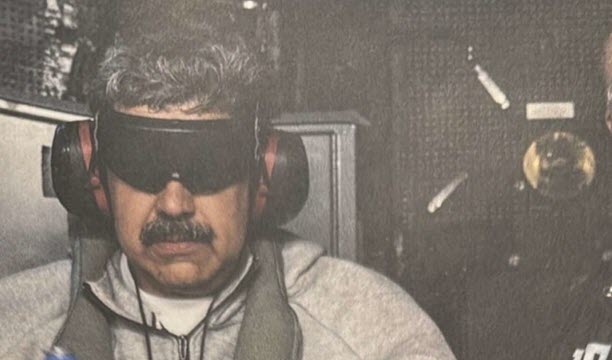
Uncertainty continues to surround the fate of Venezuelan President Nicolás Maduro following public claims that he was detained and removed from the country by the United States. The issue entered the center of global attention after statements by U.S. President Donald Trump on social media, in which he announced a “successful operation” and asserted that Maduro was under U.S. control.
Following these statements, a number of U.S. and international media outlets reported that a large-scale operation had allegedly been carried out in Caracas, involving U.S. special forces and aerial support. According to these accounts, Nicolás Maduro and his wife, Cilia Flores, were apprehended and taken out of Venezuela. Several reports further claimed that Maduro was transported to New York and placed in a federal detention facility in Brooklyn.
At the same time, no formal confirmation of these claims has been issued by U.S. government institutions. The Pentagon, the Department of Justice, the State Department, and the White House have not released official statements verifying the conduct of a military operation on Venezuelan territory, the detention of the Venezuelan head of state, or his presence within U.S. jurisdiction. Publicly accessible federal court databases do not contain procedural records that would definitively confirm Maduro’s appearance before a U.S. court.
The broader context of these reports is linked to a criminal case initiated by the U.S. Department of Justice in 2020. At that time, prosecutors in the Southern District of New York charged Nicolás Maduro with narco-terrorism, conspiracy to import cocaine into the United States, and weapons-related offenses. U.S. authorities alleged that Maduro headed a structure that relied on Venezuelan state institutions to facilitate transnational drug trafficking. As part of that case, Washington announced a financial reward for information leading to his arrest.
Legal experts emphasize that even the existence of an active indictment does not resolve fundamental questions under international law. The forcible detention of a sitting head of a recognized state on foreign territory without an international mandate or a decision by the United Nations Security Council has no clear precedent in modern practice. Comparisons are frequently drawn with the arrest of Panamanian leader Manuel Noriega in 1989, but specialists note that the United States at the time exercised military control over Panama and did not recognize Noriega as a legitimate head of state.
Against the backdrop of circulating reports, Venezuelan authorities have not confirmed Maduro’s detention. Government representatives have stated that state institutions remain functional and that continuity of governance is preserved. Vice President Delcy Rodríguez issued remarks underscoring political stability and condemning external interference.
The situation in Caracas is described as tense but outwardly calm. No large-scale public celebrations or protests have been reported in the capital, while Venezuelan communities abroad have shared videos showing emotional reactions and gatherings linked to hopes of political change.
International responses to the reports have been sharply divided. Russia, China, Iran, and Cuba issued statements condemning the alleged actions of the United States, describing them as violations of sovereignty and international law. Some statements employed the term “state terrorism.” At the same time, certain Western political figures and commentators cautiously welcomed the prospect of accountability for alleged transnational crimes, while stressing that legal procedures should prevail over the use of force.
Reactions within the United States have also been mixed. Republican circles largely expressed support for a hard-line approach toward Caracas, whereas some Democrats warned of the risks of establishing a dangerous international precedent and of broader consequences for the global legal order.
Separate reports have addressed financial and sanctions-related measures. Several media outlets have indicated that assets linked to Maduro and his associates have been frozen in certain European jurisdictions. These steps are described as precautionary and have not been accompanied by detailed official explanations regarding their legal basis.
A significant portion of the information circulating online remains unverified. Claims regarding specific casualty figures during the alleged operation, the involvement of foreign nationals in Maduro’s security detail, and reports of technological or communications support provided by private companies have not been confirmed by major news agencies or official sources. Analysts note that such details often emerge in information vacuums and may reflect parallel information campaigns rather than established facts.
Overall, the situation surrounding Nicolás Maduro remains highly ambiguous. Core assertions regarding his arrest rest primarily on political statements and media interpretations, while institutional confirmation from relevant authorities is absent. Until official court documents, formal government statements, or confirmations from international bodies are made public, definitive conclusions about the legal status and whereabouts of the Venezuelan leader remain premature.